Common Causes of Damage in Commercial Brick and Stone Flatwork
Understanding common causes of damage in commercial brick and stone flatwork helps property owners identify issues, and local contractors can provide expert repair solutions to restore durability.
Understanding the common causes of damage in commercial brick and stone flatwork is essential for property owners seeking to maintain the integrity and appearance of their outdoor spaces. Over time, factors such as water infiltration, freeze-thaw cycles, and improper installation can lead to cracks, spalling, and uneven surfaces. Recognizing these issues early can help prevent further deterioration, saving time and money in the long run. Property owners in the area may find it beneficial to explore this topic to better understand the risks and to identify when professional repair services might be needed to preserve their flatwork’s durability and safety.
Local contractors specializing in brick and stone flatwork repair are equipped to address these common issues effectively. Whether it’s repairing cracks caused by shifting ground or addressing damage from moisture exposure, experienced service providers can assess the specific causes of damage and recommend appropriate solutions. Staying informed about the typical reasons behind flatwork deterioration can empower property owners to seek timely assistance, ensuring their outdoor surfaces remain functional and visually appealing for years to come.
- Cracked brick and stone flatwork - when freeze-thaw cycles or ground shifting cause damage, local contractors can assess and repair the affected areas.
- Efflorescence and staining - moisture infiltration often leads to surface discoloration, with service providers able to restore the appearance through proper cleaning and sealing.
- Loose or deteriorated mortar joints - exposure to weather and age can weaken mortar, prompting local pros to re-point and reinforce the flatwork structure.
- Uneven surfaces and settling - soil movement or improper installation may result in uneven brick or stone surfaces, with specialists able to level and stabilize the flatwork.
- Water pooling and erosion - poor drainage or surface damage can lead to erosion, which local contractors address by repairing and improving the flatwork’s resilience.
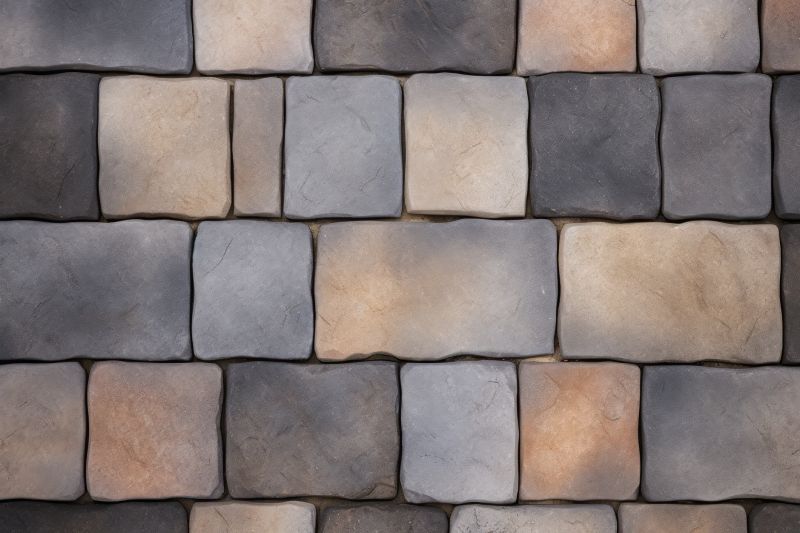
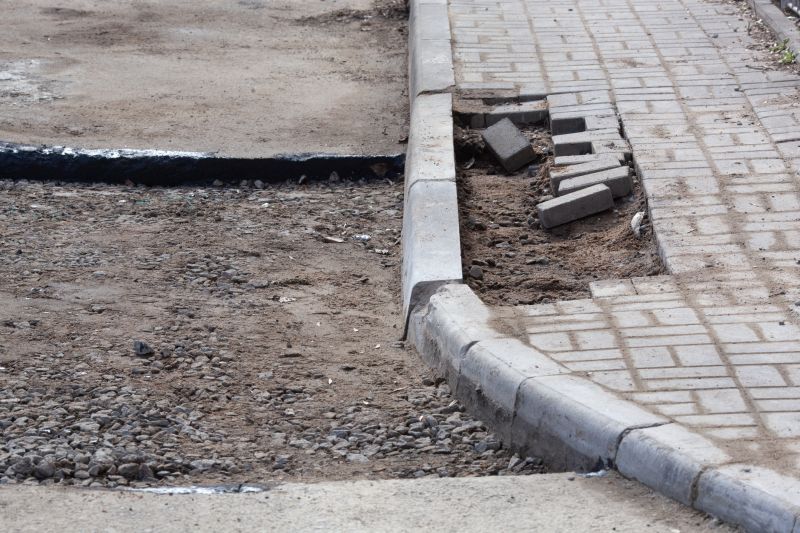
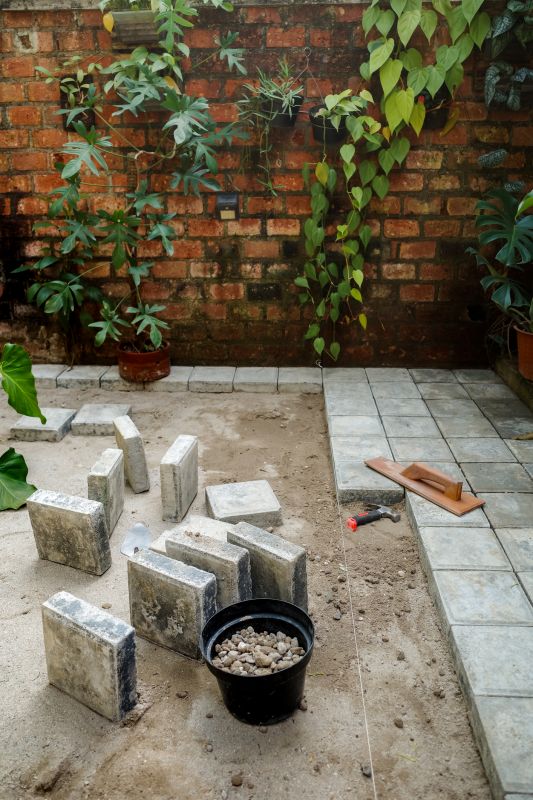
When searching for information about common causes of damage in commercial brick and stone flatwork, property owners usually want to understand why their outdoor surfaces are deteriorating or developing issues. This topic often relates to the long-term durability of flatwork such as walkways, patios, plazas, or loading areas made from brick or stone. Property managers and business owners may be concerned about the safety, appearance, and functionality of these surfaces, especially if they notice cracks, unevenness, or other signs of damage. Knowing the typical causes helps identify whether repairs are needed and what steps might prevent further deterioration.
Damage in commercial brick and stone flatwork can stem from various factors, including environmental influences, improper installation, and ongoing wear. Common causes include freeze-thaw cycles, which cause water to seep into the material, freeze, and expand, leading to cracking and spalling. Water infiltration from poor drainage or cracks allows moisture to weaken the structure over time. Additionally, heavy loads from vehicles or equipment can exert excessive pressure, causing cracks or shifting. Improper installation techniques, such as inadequate base preparation or joint filling, can also contribute to early damage, making the flatwork more vulnerable to future issues.
The types of properties that typically experience damage in brick and stone flatwork are often commercial in nature, including retail centers, office complexes, industrial facilities, and multi-unit residential buildings. These properties usually have high traffic areas or heavy equipment use, which increases stress on the surfaces. Parking lots and loading zones are especially prone to damage from vehicle weight and frequent use. Additionally, properties located in climates with harsh winters or significant rainfall are more susceptible to environmental damage, making regular inspections and repairs essential for maintaining safety and appearance.
Local contractors specializing in brick and stone flatwork repair play a crucial role in addressing these common causes of damage. They can assess the extent of deterioration, identify factors contributing to the issues, and recommend appropriate solutions to restore the integrity of the surfaces. Whether it involves crack repair, joint sealing, or complete rebuilding, experienced service providers help property owners prolong the life of their flatwork and prevent further damage. Connecting with local pros ensures that repairs are handled efficiently, with materials and techniques suited to the specific needs of commercial brick and stone flatwork.
Paving restoration projects involve repairing and restoring damaged surfaces similar to commercial brick and stone flatwork, requiring expertise in matching materials and addressing structural issues.
Concrete repair services focus on fixing cracks, spalling, and uneven surfaces that often occur due to similar causes affecting brick and stone flatwork in commercial settings.
Masonry restoration involves working with brick and stone materials, making it closely related to addressing common causes of damage in commercial flatwork and requiring similar planning and skill sets.
Sidewalk and walkway repair projects deal with surface deterioration and settling issues comparable to those seen in commercial brick and stone flatwork, handled by local contractors experienced in surface stabilization.
Retaining wall construction and repair shares techniques for managing structural stress and material deterioration, which are common concerns in maintaining durable brick and stone flatwork.
Drainage and waterproofing projects involve addressing water infiltration and erosion problems that often contribute to damage in commercial flatwork, requiring similar planning and expertise from local service providers.
When evaluating service providers for commercial brick and stone flatwork repair, it is important to consider their experience with similar projects. Contractors who have a proven track record in addressing common causes of damage in these materials are more likely to understand the specific challenges involved, such as settling, moisture infiltration, or freeze-thaw cycles. An experienced professional can assess the unique conditions of the site and recommend appropriate repair methods that help prevent future issues, ensuring the longevity of the flatwork.
Clear written expectations are essential when comparing local contractors. A reputable service provider should be able to outline the scope of work, materials to be used, and the steps involved in the repair process in a straightforward manner. This transparency helps ensure that all parties have a shared understanding of the project’s goals and reduces the risk of misunderstandings or unexpected costs. Well-documented plans also serve as a reference point throughout the project, promoting accountability and clarity.
Reputable references and effective communication are key indicators of a reliable contractor. Service providers who can provide references from previous clients with similar projects demonstrate their capability and reliability. Good communication throughout the process, from initial consultation to project completion, allows homeowners to stay informed, ask questions, and express concerns. This ongoing dialogue helps ensure that the repair work aligns with expectations and that any issues related to common causes of damage are addressed promptly and thoroughly.
Property owners often search for common causes of damage in commercial brick and stone flatwork when they are planning practical projects around their homes and businesses. Local pros provide Commercial Brick and Stone Flatwork Repair services for everyday jobs and straightforward project options.
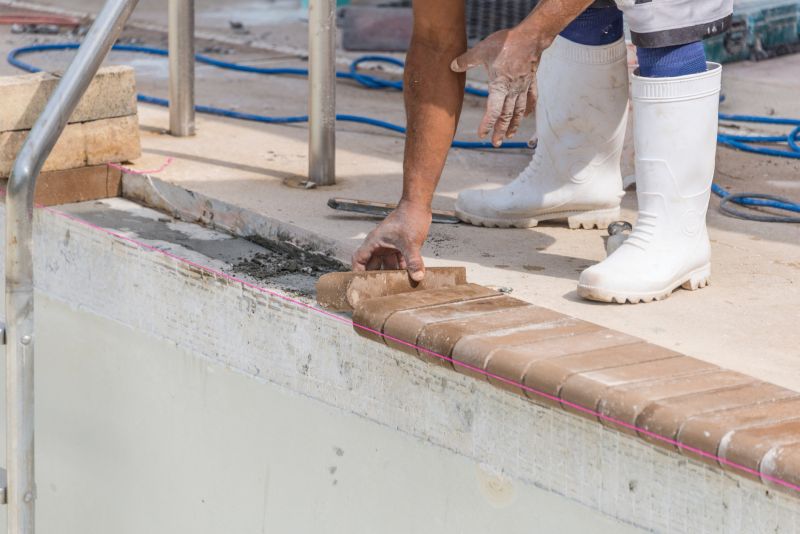
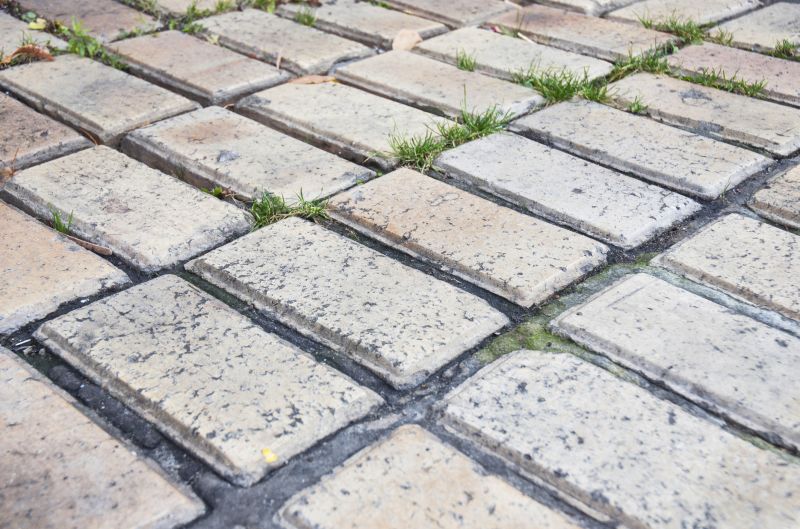
Many commercial properties experience damage to brick and stone flatwork due to common, everyday issues. Heavy foot or vehicle traffic can cause surface wear and cracks over time, especially if the flatwork wasn’t designed to handle constant use. Additionally, exposure to harsh weather conditions, such as freeze-thaw cycles, can lead to surface spalling or cracking as moisture seeps into the material and expands when it freezes. Property owners often look into repair services when they notice uneven surfaces, loose bricks, or crumbling stone that can pose safety concerns or diminish curb appeal.
Other frequent causes of damage include improper installation or poor drainage around the flatwork, which can lead to water pooling and increased erosion of the base material. Over time, this weakens the structure, resulting in shifting or sinking sections. Accidental impacts from equipment or falling objects can also cause chips or cracks, prompting property owners to seek professional repair. Local contractors experienced in brick and stone flatwork can assess these issues and provide the necessary repairs to restore the integrity and appearance of the surface.
What are common causes of damage in commercial brick and stone flatwork? Common causes include exposure to moisture, freeze-thaw cycles, improper installation, and structural stress, which can lead to cracking, spalling, and deterioration. Local contractors experienced in flatwork repair can assess and address these issues effectively.
How does moisture contribute to damage in brick and stone flatwork? Excess moisture can seep into the material, causing freeze-thaw damage, efflorescence, and weakening of the mortar joints. Service providers can help implement proper drainage and sealing to prevent moisture-related problems.
Can improper installation cause damage to flatwork surfaces? Yes, poor installation practices such as inadequate base preparation or incorrect joint placement can lead to uneven settling, cracking, and surface failure. Skilled contractors can identify and correct installation issues to prolong flatwork lifespan.
What role do environmental factors play in damaging brick and stone flatwork? Environmental factors like temperature fluctuations, moisture, and de-icing chemicals can accelerate deterioration. Local pros can recommend protective measures and repair strategies to mitigate these effects.
How can structural stress lead to damage in commercial flatwork? Structural stress from heavy loads, ground movement, or foundational shifts can cause cracking and displacement. Experienced service providers can evaluate and reinforce flatwork to withstand these stresses.
- Ensuring proper drainage and sealing can prevent water from seeping into brick and stone flatwork, reducing the risk of damage. Local contractors can assess drainage systems and recommend effective waterproofing solutions for ongoing protection.
- Protecting flatwork from freezing temperatures involves proper installation and maintenance to minimize cracks caused by ice expansion. Service providers can help with repairs and preventative measures to withstand seasonal temperature changes.
- Ensuring flatwork is installed correctly with appropriate materials can prevent early damage and cracking. Experienced local contractors can evaluate existing work and perform necessary repairs to improve durability.
- Managing nearby trees and plants can prevent roots from damaging the structure over time. Professionals can identify problem areas and implement solutions to control root growth and protect the flatwork.
If you are thinking about common causes of damage in commercial brick and stone flatwork for a property, this guide is meant to help you understand this topic, the typical project types, and how different options might fit your plans.
When you are ready, you can use the quote form on this page to share a few details about your project. From there, local pros can review the basics and follow up with options that match what you have in mind.