Common Causes of Damage in Brick and Stone Flatwork
To address common causes of damage in brick and stone flatwork, local contractors can assess issues like settling, cracking, or moisture intrusion and provide effective repair solutions.
Property owners in the area often encounter issues with brick and stone flatwork that can lead to costly repairs if not addressed promptly. Understanding the common causes of damage in this type of flatwork is essential for maintaining the integrity and appearance of outdoor surfaces such as patios, walkways, and driveways. Factors like freeze-thaw cycles, improper installation, and exposure to moisture can all contribute to cracks, shifting, and deterioration over time. Recognizing these issues early can help property owners connect with experienced local contractors who specialize in brick and stone flatwork repair, ensuring that any damage is properly assessed and addressed before it worsens.
Exploring the typical reasons behind damage in brick and stone flatwork empowers property owners to take proactive steps in safeguarding their investments. Whether it’s from ground movement, heavy loads, or environmental stresses, understanding these causes can make a significant difference in preventing future problems. Local service providers who focus on brick and stone flatwork repair are well-equipped to diagnose and resolve such issues, helping property owners preserve the durability and aesthetic appeal of their outdoor spaces. Keep reading to learn more about how common causes of damage may affect your property and how trusted professionals can assist in restoring your flatwork to its best condition.
- Brick and stone flatwork - homeowners may need damage repair services when cracks or settling occur due to ground movement or improper installation, and local contractors can assess and restore the surface.
- Brick and stone flatwork - exposure to freeze-thaw cycles can cause surface deterioration, prompting local pros to perform repairs that reinforce and seal the material.
- Brick and stone flatwork - staining or efflorescence buildup often signals moisture intrusion, with service providers addressing these issues through cleaning and sealing techniques.
- Brick and stone flatwork - uneven or loose sections may result from heavy loads or shifting foundations, and local contractors can stabilize and re-level the surface.
- Brick and stone flatwork - physical damage from impact or heavy equipment requires prompt repair by local pros to prevent further deterioration and maintain structural integrity.
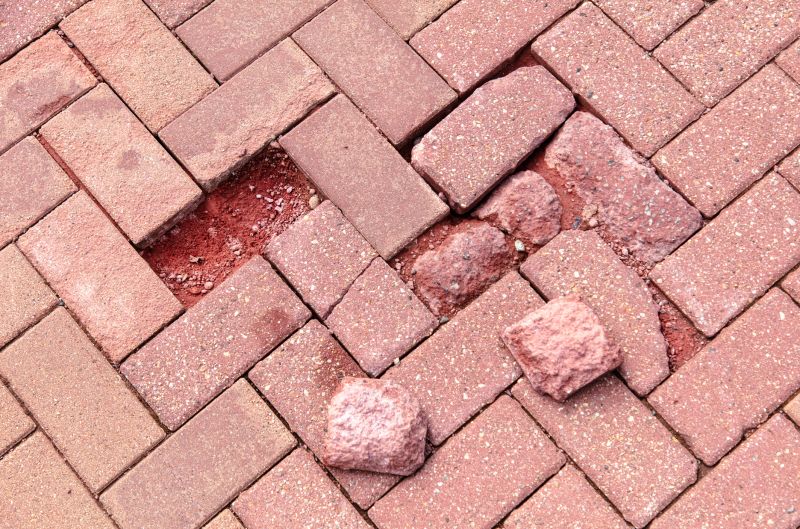
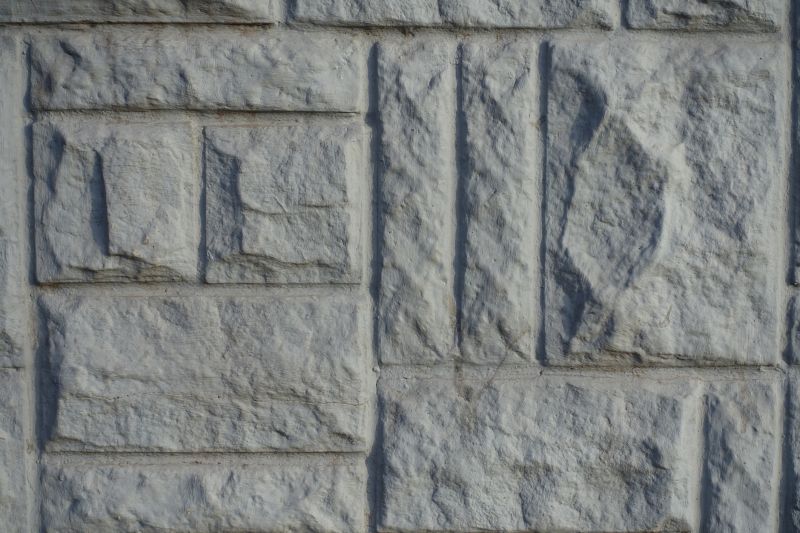
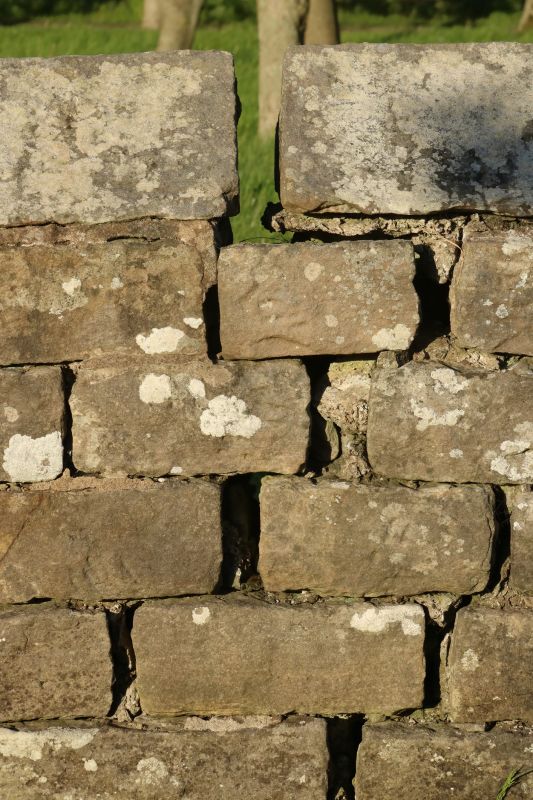
When homeowners search for information about common causes of damage in brick and stone flatwork, they are usually trying to understand why their paved surfaces are showing signs of deterioration. These surfaces, which include patios, walkways, driveways, and other flat masonry features, are often subjected to various stresses that can lead to cracking, spalling, or shifting over time. People interested in this topic are typically planning repairs or seeking advice to prevent future issues. They want to know what factors contribute to damage so they can better maintain their properties or decide when professional intervention is needed to restore their flatwork’s appearance and functionality.
The problems related to damage in brick and stone flatwork generally involve structural stress, weathering, and improper installation. Cracks can develop due to ground movement or soil settling beneath the surface, especially if the base layer was not prepared correctly. Freeze-thaw cycles are another common cause, as trapped moisture inside the masonry expands during cold weather, causing the material to crack or spall. Additionally, improper joint sealing or inadequate drainage can allow water to seep into the flatwork, accelerating deterioration. These issues often appear as visible cracks, loose stones, or uneven surfaces, prompting property owners to seek professional repair services to address the damage and prevent further problems.
Certain types of properties are more prone to experiencing damage in brick and stone flatwork. Residential homes with outdoor living spaces, such as patios and walkways, frequently face challenges from weather exposure and ground movement. Commercial properties with heavy foot or vehicle traffic may see faster wear and tear, especially if the flatwork was not designed to handle such loads. Historic or older buildings often have flatwork that has aged over decades, making them more susceptible to cracking and deterioration. Regardless of property type, understanding the common causes of damage helps homeowners and property managers recognize early signs of trouble and connect with local contractors capable of performing repairs that restore stability and appearance.
Professional flatwork repair specialists play a vital role in addressing these issues. They assess the extent of damage, identify underlying causes such as improper installation or environmental factors, and recommend appropriate solutions. From replacing cracked bricks to re-establishing proper drainage and reinforcing the base layer, these local service providers have the experience to handle a variety of repair needs. Engaging with qualified contractors ensures that flatwork is restored to its intended strength and durability, minimizing the risk of future damage. For property owners noticing signs of deterioration, connecting with experienced professionals can help preserve the value and safety of their outdoor masonry features.
Paving and Masonry Restoration - Professionals specializing in restoring and repairing paved surfaces often handle projects involving brick and stone flatwork, utilizing similar skills in masonry repair and surface preparation.
Concrete Flatwork Repair - Local contractors experienced in concrete repair work share techniques for addressing cracks, settling, and surface damage common to brick and stone flatwork.
Retaining Wall Construction - Building and repairing retaining walls involves understanding brick and stone materials, making these projects relevant for addressing damage caused by shifting or settling.
Patio and Walkway Installation - Installing or repairing patios and walkways requires knowledge of flatwork layout and material handling, aligning with skills used in fixing damage in brick and stone surfaces.
Foundation and Drainage Work - Addressing issues related to water intrusion and drainage problems can prevent damage to brick and stone flatwork, with local service providers offering solutions for these underlying causes.
Surface Sealing and Waterproofing - Applying sealants and waterproofing treatments to masonry surfaces helps protect against moisture-related damage, a common cause of deterioration in brick and stone flatwork.
When evaluating service providers for brick and stone flatwork damage repair, it is important to consider their experience with similar projects. Homeowners should seek out local contractors who have a proven track record of addressing common causes of damage in brick and stone flatwork, such as settling, moisture intrusion, or freeze-thaw cycles. An experienced professional will be familiar with the specific challenges these issues present and will have developed effective repair strategies over time, which can help ensure the longevity and stability of the flatwork.
Clear communication of expectations is another key factor when comparing local contractors. Homeowners should look for service providers who can articulate their repair process, including assessment methods, materials used, and the scope of work involved. Having detailed, written explanations helps prevent misunderstandings and ensures that both parties are aligned on project goals. Transparent communication also reflects a contractor’s professionalism and commitment to delivering quality work.
Reputable references and a history of good communication are essential indicators of a reliable service provider. Homeowners are encouraged to ask for references or examples of past projects similar to their own, especially those involving common causes of damage in brick and stone flatwork. Consistent, clear communication throughout the project-whether through updates, questions, or clarifications-can significantly impact the overall experience and the quality of the repair. Choosing a contractor with a solid reputation and a transparent approach helps ensure the repair work will meet expectations and stand the test of time.
Property owners often search for common causes of damage in brick and stone flatwork when they are planning practical projects around their homes and businesses. Local pros provide Brick and Stone Flatwork Damage Repair services for everyday jobs and straightforward project options.
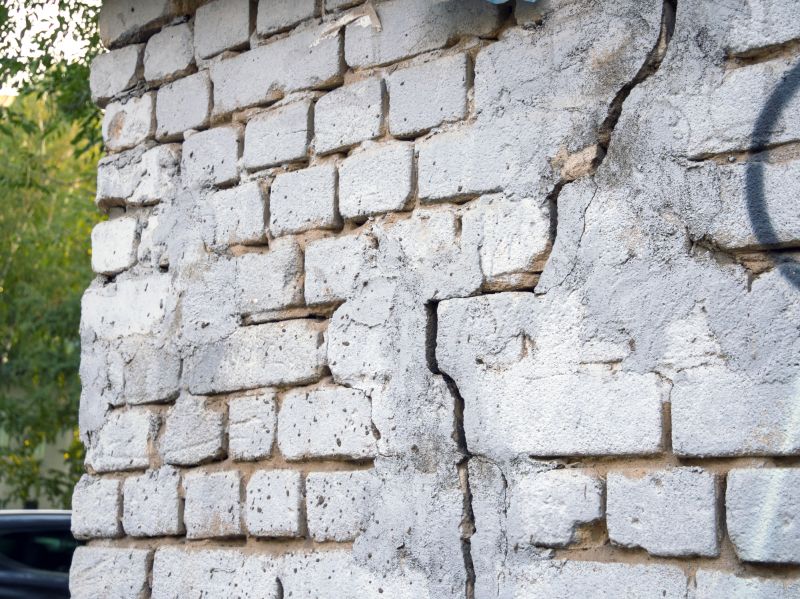
Understanding the common causes of damage in brick and stone flatwork can help property owners identify issues early and seek appropriate repair services. Everyday situations such as exposure to freeze-thaw cycles can cause cracks and shifting, especially in colder climates where water seeps into the material and expands upon freezing. Additionally, improper installation or inadequate drainage around the flatwork can lead to water pooling and undermining the stability of the surface, resulting in uneven settling or surface deterioration over time. Local contractors experienced in brick and stone flatwork repair can assess these issues and recommend solutions to restore the integrity and appearance of the surface.
Other frequent causes of damage include physical impacts from heavy objects or equipment, which can chip or crack the material, and the effects of vegetation growth, like roots expanding beneath the surface and causing lifting or cracking. Over time, regular wear and tear from foot traffic or weather exposure can also weaken the flatwork, leading to surface spalling or loose stones. Property owners noticing signs of damage caused by these common issues can benefit from consulting local service providers who specialize in brick and stone flatwork repair, ensuring that the problem is addressed effectively to maintain the durability and aesthetic appeal of the surface.
What are common causes of damage in brick and stone flatwork? Common causes include exposure to freeze-thaw cycles, water infiltration, improper installation, and physical impacts that can weaken the material over time.
How does water infiltration damage brick and stone flatwork? Water can seep into the joints and porous surfaces, leading to erosion, freeze-thaw damage, and structural deterioration if not properly sealed or maintained.
Can improper installation lead to damage in brick and stone flatwork? Yes, poor installation practices such as inadequate base preparation or improper joint filling can cause shifting, cracking, and early failure of the flatwork.
What role do environmental factors play in damaging brick and stone flatwork? Environmental factors like temperature fluctuations, moisture, and exposure to chemicals can accelerate deterioration and cause cracking or surface spalling.
How can damage caused by physical impacts be repaired? Damage from impacts such as heavy loads or accidents can be addressed by local contractors through repair or replacement of affected sections to restore stability and appearance.
- Property owners can work with local contractors to identify and seal cracks or gaps that allow water to seep into brick and stone flatwork, preventing further damage.
- Ensuring proper grading and drainage around flatwork can help avoid water pooling and erosion, with local pros providing expert assessments and solutions.
- Local service providers can recommend appropriate materials and repair techniques to minimize damage caused by repeated freezing and thawing of the surface.
- Consulting experienced contractors during installation ensures correct techniques are used, reducing the risk of early damage and the need for repairs later.
If you are thinking about common causes of damage in brick and stone flatwork for a property, this guide is meant to help you understand this topic, the typical project types, and how different options might fit your plans.
When you are ready, you can use the quote form on this page to share a few details about your project. From there, local pros can review the basics and follow up with options that match what you have in mind.